Validation vs. Visibility
Which one is more important?

What we don’t always admit as creatives is this: loving your own art isn’t always enough. Not if you want to make a career out of it, if you want your work to live beyond you and not if you want your stories to move through festivals, institutions, platforms. Because the cruel truth is, that sometimes the next step, the part that validates the art as a product, isn’t up to you. It’s up to someone else’s taste, someone else’s idea of what your story is or isn’t.
We tell ourselves that making something we’re proud of is the win and on some level it’s true. When I made Henna, it was the most aligned I’ve ever felt in my work. I wasn’t second-guessing myself, I knew the intention was there and that the vision was clear. However I had made a commitment to release the film to the world only once it had, had the premiere I felt it deserved.
*Vulnerability moment* Last week, I got my first rejection email from a film festival I had really hoped would show Henna. I’m not going to lie, I was upset. I stared at the email longer than I needed to, as if it might rewrite itself. I was proud of this film. I still am. But in that moment, the rejection cut a little deeper than usual because when you make something personal, it’s not just your work being declined, it feels like you are.
We glorify creative independence. As the saying goes “Just make work you love and everything else will follow.” But if you’re trying to build a career, if you want your art to be your livelihood, that’s only half the story. You also need gatekeepers to say yes.
It’s such a weird balance, to stay rooted in your voice while knowing that part of the journey depends on someone else opening a door. Sometimes, those doors stay closed. And that doesn’t mean your art isn’t powerful but it does sting.
I think what I’ve been trying to reconcile is this: It’s not that I need validation to know I’m good at what I do. But I do need visibility if I want my work to do what it’s meant to do, start conversations, shift perceptions, bring people in.
There’s no shame in wanting your work to be seen and in feeling disappointed when it’s not. There’s no shame in being a little crushed when your best work still doesn’t land where you hoped it would.
That doesn’t mean you’re fragile. It means you’re invested.
However, there’s a big difference between validation and visibility but in the creative world, they often get tangled up.
Validation is about needing approval.
Visibility is about being seen.
And yet, when you pour yourself into something personal, and it’s met with silence or rejection, it’s hard not to confuse the two. It’s easy to feel like if your work isn’t getting programmed, shared, or recognised, that it isn’t good enough. But the truth is, visibility is structural. It’s logistical. It’s political. It’s not always a reflection of quality or depth, it’s a reflection of timing, access, relationships, and sometimes, just sheer luck. The problem is, if you’re a marginalised creative, you don’t often get the grace of separating your work from your worth. You don’t get to exist in a bubble of “pure creativity.” You need visibility to survive.
What I’m learning, slowly, is that needing visibility doesn’t make you weak. It doesn’t mean you’re chasing clout. It means you want your work to do what it was meant to do. Art is communication. Storytelling is meant to connect.
Wanting your work to be visible is about impact, not ego. But the danger is when we conflate lack of visibility with lack of value. When we stop believing in our work simply because others haven’t caught up to it yet. I think the real skill, the one I’m still building is holding the tension between trusting my voice and still wanting the industry to see me. Not bending to fit what’s visible, but also not pretending I don’t care. Because I do. We all do. We want our work to matter to someone beyond ourselves. And that doesn’t make us any less of an artist, it makes us human.
So here’s where I’m at: I let myself feel the disappointment. I didn’t brush past it.
And then I came back to the core truth, this film still matters. Just because one gate didn’t open doesn’t mean the story won’t find its audience. It just means it has to find another path.
As creatives, we walk a tightrope between love of the craft and the need for recognition. Some days the balance is there. Some days, it tips. But what keeps me moving is remembering that the work is still the work. And it’s still worthy, even when the industry isn’t watching.
I’ll leave you with this,
“The work wants to be seen. You just have to hold on long enough for the world to catch up.”
— Ava DuVernay
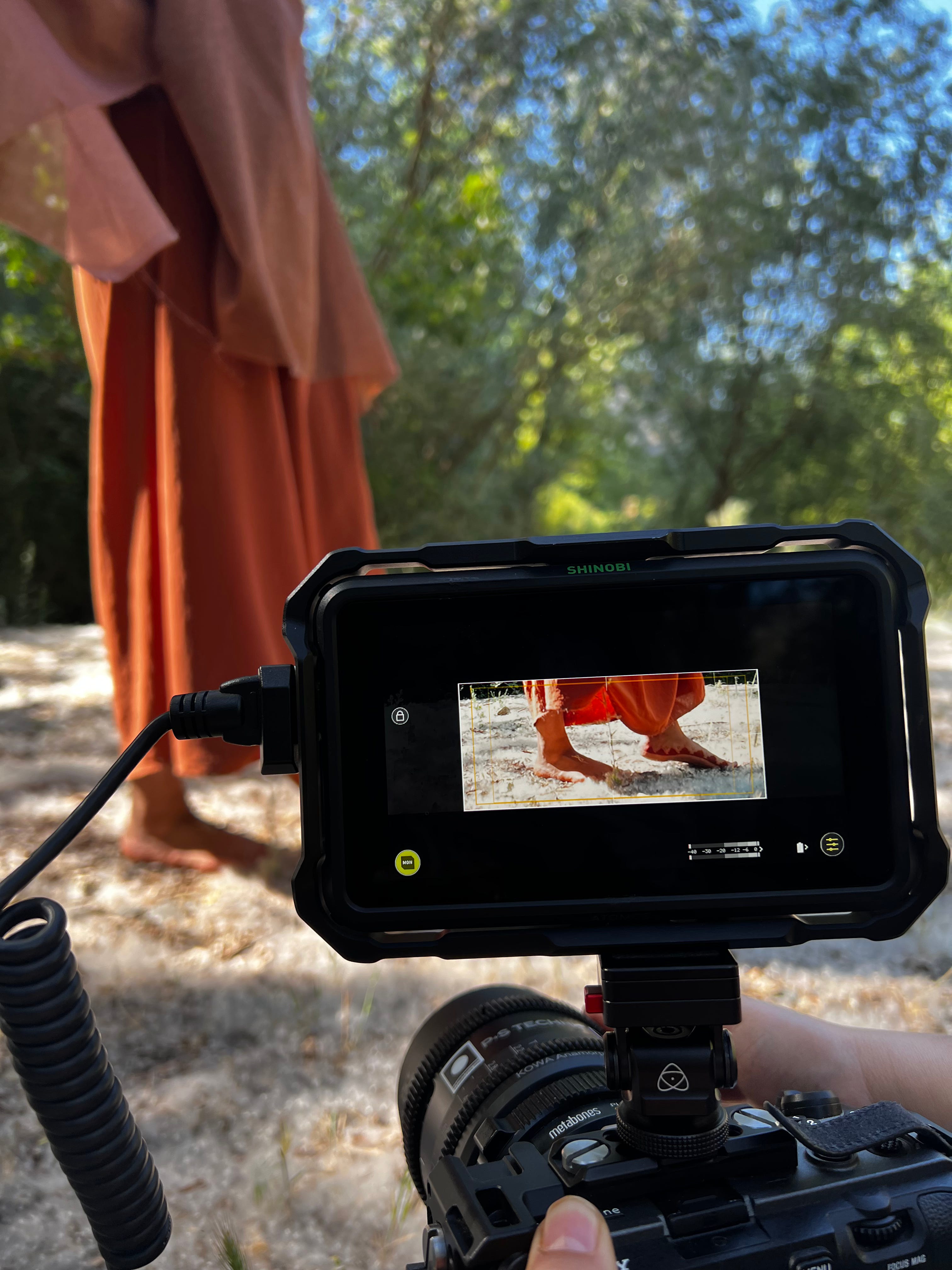
Todays b-roll: This is a shot from Henna 1.0 that will never see the light of day. It was on the final day and I was obsessed with this cotton field that we had walked through the day before. I pleaded the team to run down to it with me and walk through it, they all obliged and we caught a mesmerising walking shot.